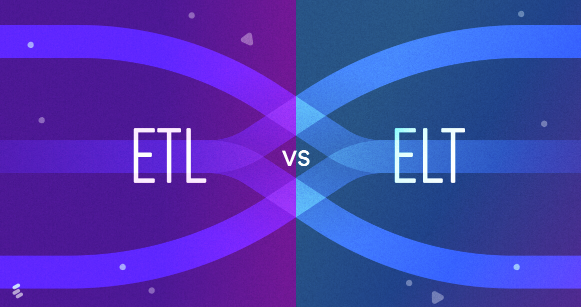
ETL and ELT define where data transformations occur in a pipeline and shape warehousing architecture. ETL centralizes cleansing before loading, trading upfront governance for quicker access post-load. ELT loads raw data first and shifts transforms to the warehouse, leveraging scalable compute and downstream tools. The choice hinges on latency, governance needs, and orchestration compatibility, guiding scalable, observable pipelines. The decision sets the foundation for future adjustments as teams confront evolving data flows and tooling constraints.
What ETL and ELT Mean for Data Warehousing
ETL (Extract, Transform, Load) and ELT (Extract, Load, Transform) are two data-integration paradigms that define where data transformation occurs within the data pipeline and how this affects data warehousing architecture.
In practice, organizations align topic pairs with scalable data pipelines, enabling orchestration-ready flows. This clarity supports freedom-focused teams to optimize performance, governance, and adaptability across evolving warehouse ecosystems.
How to Decide: ETL vs ELT by Use Case
Deciding between ETL and ELT hinges on the specific use case and the underlying data architecture.
Use cases with strict data governance require centralized validation before load; ELT favors flexible, scalable processing when data lineage and traceability are maintained downstream.
Consider latency, resource availability, and orchestrator compatibility to ensure governance, lineage tracking, and repeatable pipelines across environments.
Architectural Implications of ETL and ELT
Scalability tradeoffs emerge between centralized versus pushed transformations, while governance considerations ensure lineage, access, and compliance across distributed components.
Practical Guidelines for Architecting ETL/ELT Workflows
What practical guidelines enable scalable ETL and ELT workflows to operate reliably at scale, while accommodating evolving data requirements? Architectures favor modular pipelines, idempotent steps, and declarative orchestration. Emphasize latency considerations, observable metrics, and fault isolation. Govern through lightweight policies, clear data contracts, and auditable lineage to address governance challenges. Design for incremental deployment, rollback, and continuous improvement without compromising resilience or speed.
Frequently Asked Questions
How Do ETL and ELT Impact Data Quality Governance?
ETL and ELT influence data quality governance by clarifying data lineage and enabling data stewardship at scale; they orchestrate provenance, validation, and consistent standards, empowering flexible, freedom-oriented architectures while preserving traceability and accountability across pipelines.
What Are Cost Implications Beyond Processing Power?
Cost implications beyond processing power involve data storage costs and data latency considerations; scalable, orchestration-ready designs optimize storage strategies and minimize latency, delivering freedom to evolve architectures without prohibitive trade-offs in cost or performance.
Which Tools Best Support Hybrid Etl/Elt Pipelines?
Direct answer: portably, hybrid ETL/ELT pipelines are supported by modern ETL tooling and flexible ELT architecture, enabling orchestration-ready workflows. They scale gracefully, foster freedom, and suit diverse data ecosystems across cloud and on-premises.
How Do Regulatory Requirements Influence Etl/Elt Choices?
Regulatory requirements influence ETL/ELT choices by prioritizing data lineage and regulatory mapping, enabling auditable pipelines. The approach favors scalable, orchestration-ready architectures that preserve traceability, ensure compliance, and support freedom to adapt processes without sacrificing governance.
See also: Ethics in Modern Technology
What Skill Sets Differentiate ETL Vs ELT Teams?
Gliding like a ship through data seas, ETL vs. ELT teams require distinct skill sets: ETL emphasizes data integration, governance, and orchestration; ELT focuses on storage, scalability, and SQL-driven transformation. Both demand automation, observability, and cross-disciplinary collaboration.
Conclusion
In sum, ETL and ELT shape how data learns, governs, and scales within a warehouse. ETL offers early cleansing for tight governance; ELT unlocks flexible, scalable processing with modern compute. The objection that ELT delays governance falls away when robust lineage and automated validation are embedded in orchestration. With clear SLAs, modular pipelines, and observable telemetry, teams can choose the approach or blend that maximizes latency, cost, and auditable compliance across environments.